Product Description
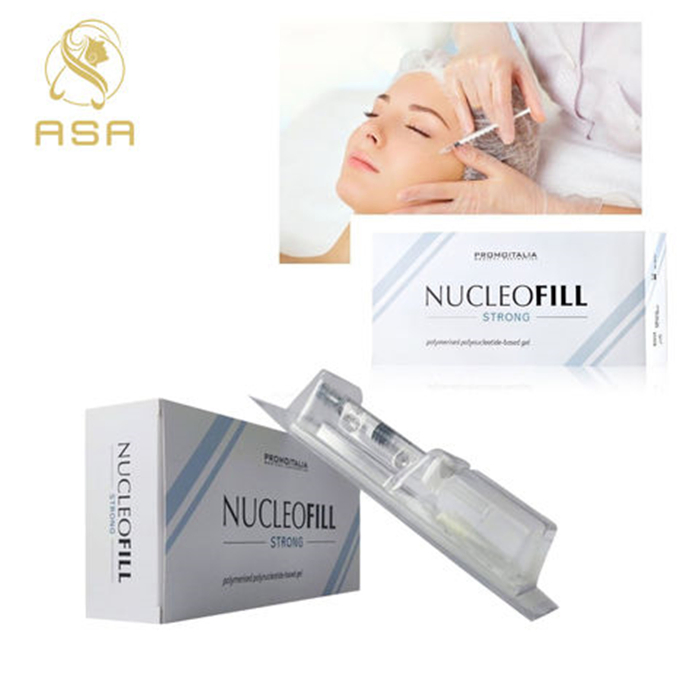
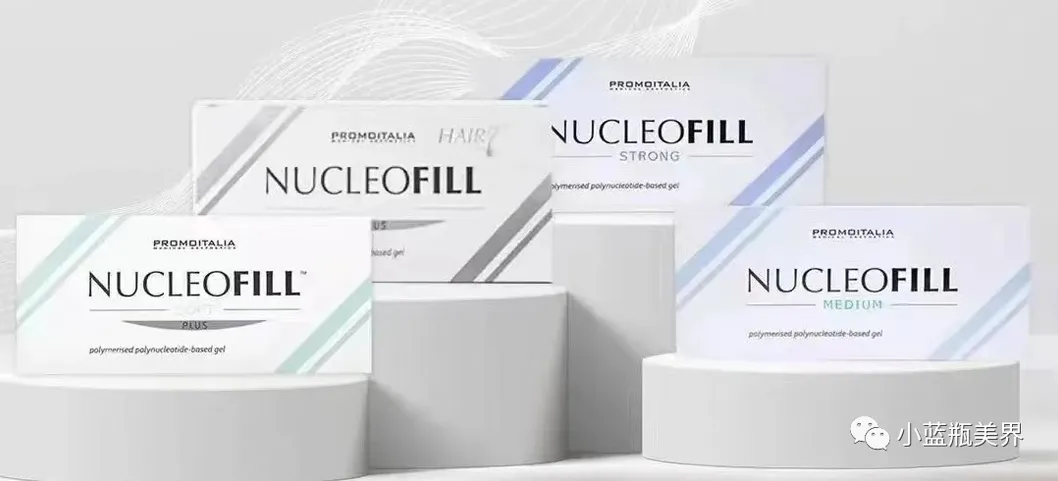
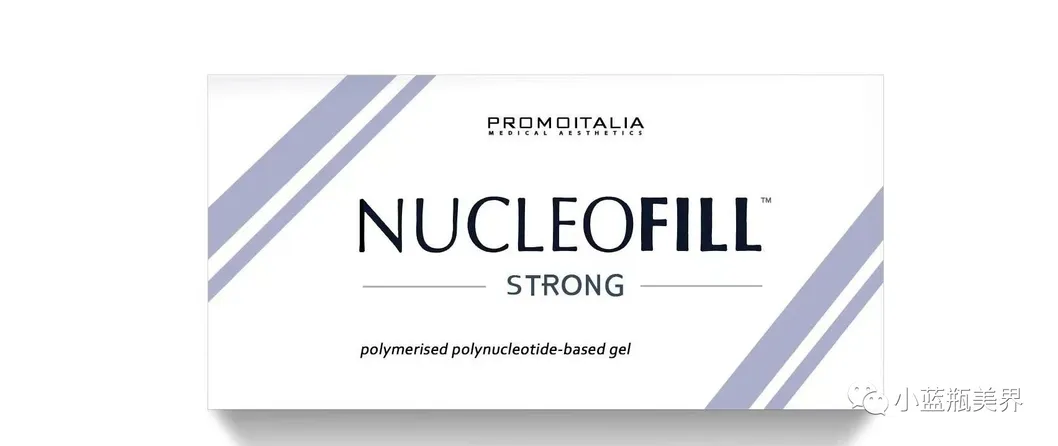
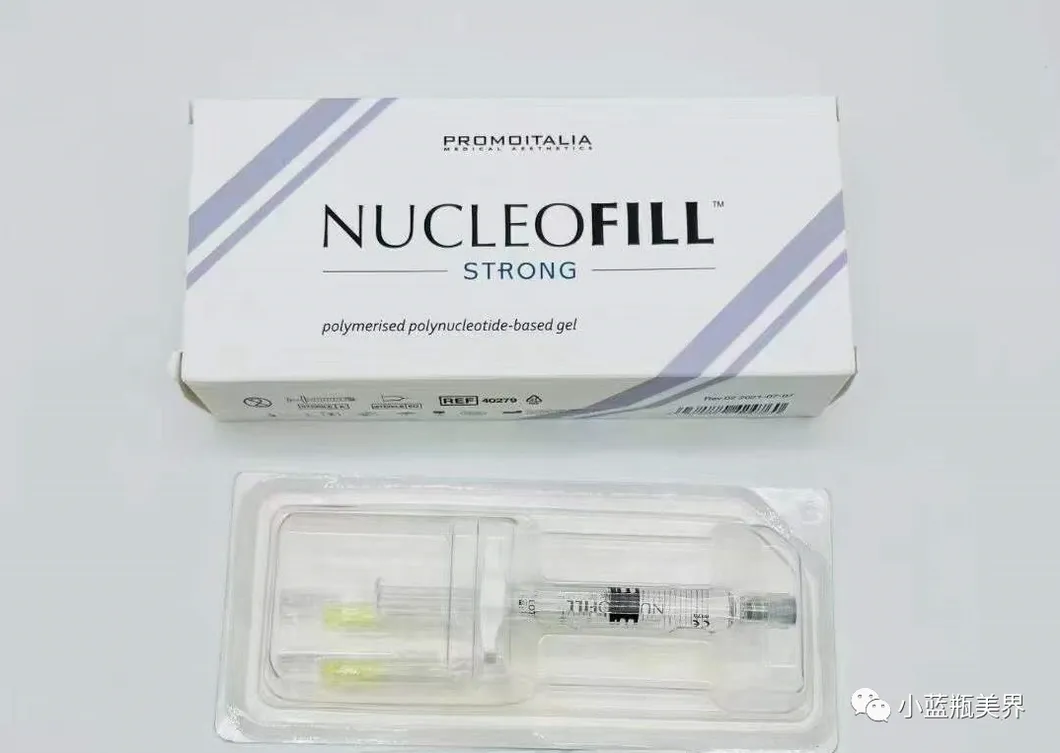
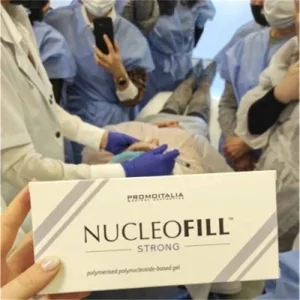
Injectable Hyaluronic Acid Italy Nucleofill Strong Face Lifting Wrinkle Removal Ibsa Profhilo H+L Essence
Key Features
Suitable skin type: Face, neck
Suitable for people: Suitable for any skin type with signs of aging, sagging, lack of luster, and need for deep hydration.
Certifications: European Class III medical device by Austrian CROMA, EU CE certification.
Storage: Store at room temperature and avoid direct sunlight.
How to Use
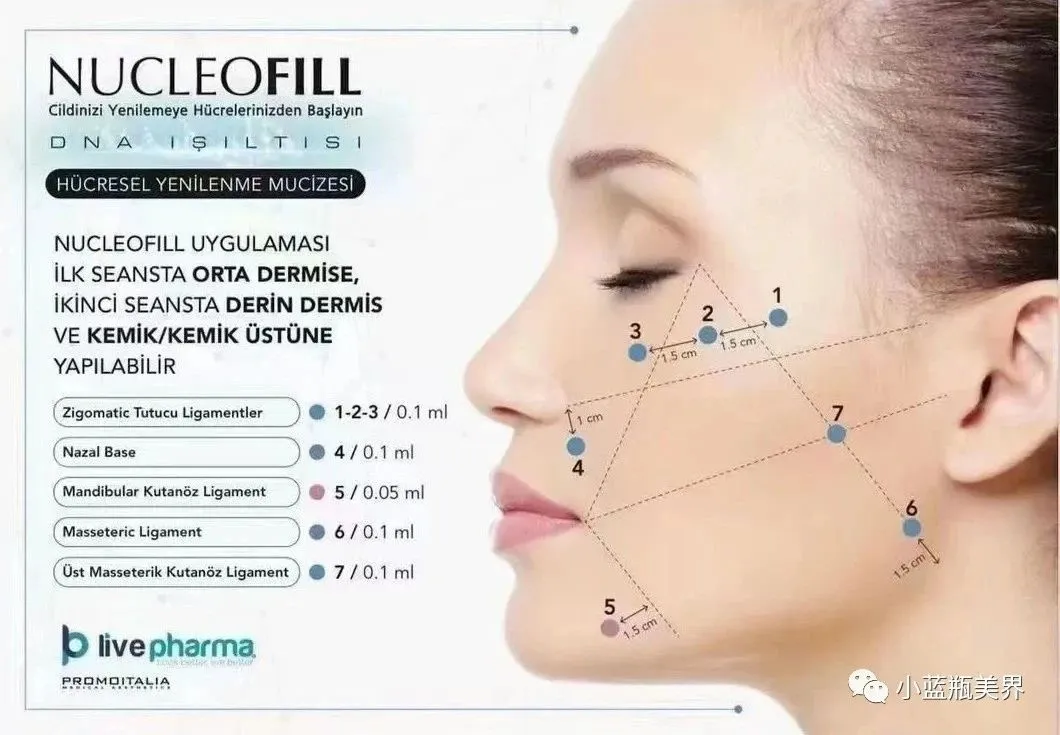
Method 1: Seven-point method
14 points on the whole face, needle depth about 4.5-4.9mm, 0.1ml per point.
Method 2: Placentex Combination
Add 3ml of Placentex and apply water light to the whole face, with 1cm between each dot.
Product Contraindications
✕ Should not be used during allergic attacks.
✕ Prohibited for pregnant or lactating women.
✕ Not for people with tendency to hypertrophic scars or history of foreign body granulomas.
✕ Prohibited for people with autoimmune diseases (lupus erythematosus, scleroderma).
✕ Should not be used by those taking anticoagulant drugs.
✕ Prohibited for areas where the type of previous filler is unclear.
✕ Not for use by those under 18 years old.
Frequently Asked Questions
What is the primary ingredient in Nucleofill Strong?
The main ingredient is a natural high-purity 2.5% PN polynucleotide, designed for deep skin biorevitalization and lifting.
How long does it take for delivery?
Products are typically delivered within 7 days after the order is processed.
Which areas can be treated with this product?
It is specifically designed for application on the face and neck to address signs of aging and sagging.
Is this product certified?
Yes, it is a European Class III medical device and has received EU CE certification.
What is the recommended injection method?
The most common approach is the Seven-point method, involving 14 specific injection points across the face for optimal lifting.
Who should avoid using Nucleofill Strong?
It should be avoided by pregnant or lactating women, individuals with autoimmune diseases, those with active allergies, or patients with a history of hypertrophic scars.
 SJ medical